
Skip to content

Italian Pizza, Pasta and Bread Flour

Flour is an essential item for any kitchen or pantry. Ratton Pantry stocks a selection of premium Italian flours from some of the best Italian flour mills including Caputo, Dallagiovanna, Molino Puzzuti and Petra by Molino Quaglia.

We supply all types of Italian flour including; Italian Tipo "00", Italian Tipo "0" and Italian Tipo "1". We have specialised Italian flours for pasta, pizza, bread and leavened products such as panettone and pandoro.

Try out new flours by purchasing smaller 1kg and 1.5kg bags from us, before working your way up to larger 16kg and 25kg wholesale/trade flour sacks.

Own a restaurant or Pizzeria? We supply to many businesses around the UK and can supply quantities as pallet loads or larger. Fast next-day delivery, trade customer discounts and smaller minimum order requirements than most other food service companies out there, mean that we're an attractive option for your business. Learn more about Ratton Pantry trade/business accounts.

Buy Italian Flour from Ratton Pantry.

Choosing Italian flour for pizza, pasta and bread

Italian flour is classified by extraction and mineral content, from highly refined Tipo 00 through Tipo 0 and Tipo 1 to wholegrain styles. Those type numbers describe refinement, not strength, so the intended use and technical specification remain important.

Ratton Pantry brings together specialist Italian flours for Neapolitan and contemporary pizza, fresh pasta, bread, pinsa and enriched bakes from respected mills including Caputo, Molino Dallagiovanna and Molino Quaglia.

From Tipo 00 pizza flour to durum wheat semolina

Pizza flours vary in strength, extensibility and fermentation tolerance. Some are intended for direct or same-day doughs, while stronger products support longer maturation, higher hydration or enriched styles.

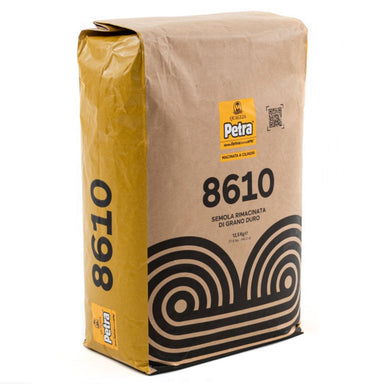
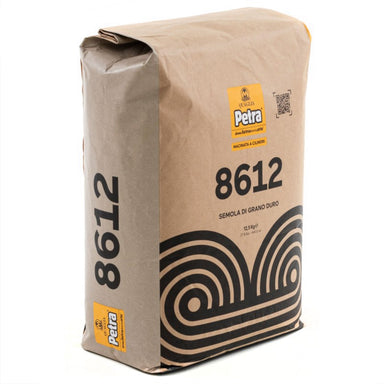
For pasta, fine soft-wheat flour and semola rimacinata offer different texture and colour. Specialist bread and panettone flours complete a range that cannot be understood from the type number alone.

Ratton Pantry

Why buy Italian flour from Ratton Pantry

We stock enough depth to let customers choose flour for the process they actually use, rather than treating every bag marked 00 as interchangeable.

Selected flours are available in smaller trial-friendly quantities as well as original professional sacks, serving home pizza makers, bakeries, restaurants and pizzerias.

How to choose the right Italian flour

Start with the finished product and fermentation schedule. For classic Neapolitan pizza, choose a flour made for that style; for long or highly hydrated dough, check that the flour has suitable strength and tolerance.

Use fine Tipo 00 pasta flour for many soft-wheat pasta recipes, or semola rimacinata when durum wheat flavour and texture are wanted. Choose dedicated products for pinsa, panettone or gluten-free pizza.

Compare the product specification, recommended use, pack size and your oven—not simply Tipo 00, Tipo 0 or Tipo 1.

Questions & answers

Italian Pizza, Pasta and Bread Flour FAQs

What is the difference between Italian Tipo 00, Tipo 0 and Tipo 1 flour?

The type number describes how refined the flour is and its mineral content. Tipo 00 is the most refined, Tipo 0 retains slightly more of the grain, and Tipo 1 more again. It does not by itself describe flour strength.

Which Italian flour is best for Neapolitan pizza?

Choose a flour specifically designed for Neapolitan pizza and match its strength to your fermentation time. Caputo Pizzeria and Molino Dallagiovanna La Napoletana are established starting points in the Ratton Pantry range.

Which Italian flour should I use for fresh pasta?

Fine Tipo 00 pasta flour suits soft-wheat pasta, while semola rimacinata is a remilled durum wheat flour used for many southern Italian pasta styles and for dusting.

What does a flour's W rating mean?

The W rating indicates flour strength and helps show how well it may tolerate fermentation and hydration. A higher number is generally stronger, but the recipe, protein quality and dough process still matter.

Can Italian pizza flour be used for bread?

Often yes, provided the flour's strength and characteristics suit the bread and fermentation. A pizza-specific flour is not automatically the best choice for every loaf.

Does Ratton Pantry sell Italian flour in home and trade sizes?

Yes. The collection includes smaller bags for home use and original professional sacks for pizzerias, bakeries and restaurants. Available sizes vary by flour.