Skip to content

Molino Dallagiovanna

| Piacenza, Italy | Est. 1832

Molino Dallagiovanna was established in 1832, and has been a family business for six generations. It is located in Piacenza, the heart of Pianura Padana, the only location in Italy where soft wheat is grown.

Nowadays, Molino Dallagiovanna is one of the best producers in Italy of high quality flour for professional use. Joining the highest level of research and production technology, with the passion and expertise for original, Italian food excellence.

Molino Dallagiovanna is the only mill in Italy that wash all of their grains before milling. This unique process is what makes this flour so special.

Pierluigi Dallagiovanna, is personally responsible for the selection of the grains. Everything about their flour is special. Dallagiovanna’s intuition in choosing the most suitable grains, their methods of analysis and research, and their combination of traditional processes and avant-garde machinery guarantees an outstanding finished product.

Buy Molino Dallagiovanna Flour at Ratton Pantry.

About Molino Dallagiovanna

Molino Dallagiovanna is an Italian family miller from Piacenza with a history dating to 1832. The mill has built its reputation around specialist flours for professional bakers, pizzaioli, pastry chefs and pasta makers, combining long milling experience with detailed laboratory testing and product development.

A distinctive part of the mill’s process is washing the wheat with water before milling, a practice Dallagiovanna says helps clean and condition the grain. The resulting range is highly specialised, with flours designed around particular doughs and production methods rather than a single all-purpose specification.

Specialist Italian flour from pizza to panettone

Dallagiovanna’s pizza range includes flours for classic Neapolitan dough, longer fermentation and stronger dough systems. Beyond pizza, the range extends into re-milled durum semolina, croissant and pastry flours, panettone flours and Type 1 or wholegrain options.

That makes it particularly useful for bakers who want to choose flour by strength, extensibility and intended process. The W value and the manufacturer’s recommended application are more informative than simply choosing between Type 0 and Type 00.

Ratton Pantry

Why we stock Molino Dallagiovanna

Dallagiovanna gives Ratton Pantry customers access to one of the most technically varied Italian flour ranges we carry. It is especially strong for pizza, but it also gives us excellent specialist choices for fresh pasta, laminated pastry, enriched dough and panettone.

We stock several of the same flours in smaller and professional formats, which makes it easier to test a flour before moving to a larger sack or to keep a consistent recipe as production grows.

Choosing the right Dallagiovanna flour

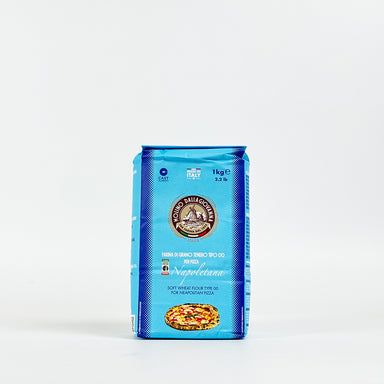
For Neapolitan pizza, start with the La Napoletana or Tradizione Napoletana ranges and then move to stronger flours where your fermentation time, hydration or dough process demands it.

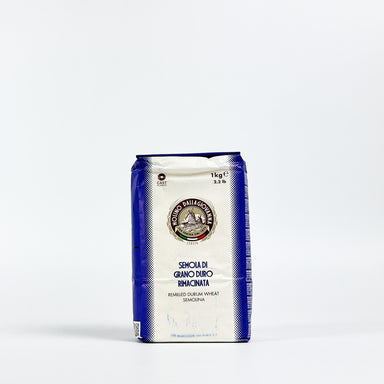
For fresh pasta and dusting, Semola Rimacinata is the key re-milled durum wheat option. For panettone and other highly enriched, long-fermented doughs, use a flour specifically formulated for panettone rather than a general bread flour.

For croissants, pastry and speciality bread, choose from the dedicated T45-style, pastry, Type 1 and wholegrain products according to the recipe.

Questions & answers

Molino Dallagiovanna FAQs

Why does Molino Dallagiovanna wash its wheat before milling?

Dallagiovanna is known for washing wheat with water as part of its preparation process before milling. The mill says this helps clean and condition the grain before it passes through the milling stages.

Which Dallagiovanna flour is best for Neapolitan pizza?

La Napoletana and Tradizione Napoletana are natural starting points for Neapolitan-style pizza. The best flour still depends on fermentation time, hydration and temperature, so compare the individual flour strength and recommended process.

What does the W number on Dallagiovanna flour mean?

W is a measure of flour strength derived from dough testing. As a general guide, higher-W flours can tolerate longer fermentation, richer doughs or more demanding processes, but W should be considered alongside the flour’s intended use and your recipe.

What is Semola Rimacinata used for?

Semola Rimacinata is finely re-milled durum wheat semolina. It is commonly used for fresh pasta and some breads, and it is also useful as a bench flour or dusting flour for pizza because of its texture and handling characteristics.

Can I use Dallagiovanna panettone flour for ordinary bread?

You can make bread with a very strong flour, but a panettone flour is designed for highly enriched, long-fermented doughs and is usually stronger than necessary for everyday bread. A dedicated bread or pizza flour will generally be easier to work with.

Does Ratton Pantry stock professional Dallagiovanna flour sizes?

Yes. Ratton Pantry carries a mixture of smaller bags and professional sacks across the Dallagiovanna range, including larger pizza and semolina formats. Pack sizes vary by flour and stock.