
Skip to content

Sourdough Flours - The best flour for making Sourdough

What type of flour is best to use for sourdough bread? If you’re a complete beginner, organic strong white bread flour made from hard wheat is the best option. This flour will; give you the easiest and strongest gluten development, be easiest to knead and shape and give the best rise in the oven.

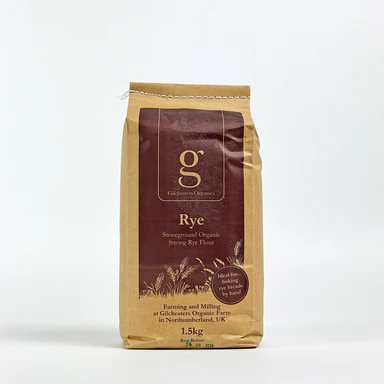
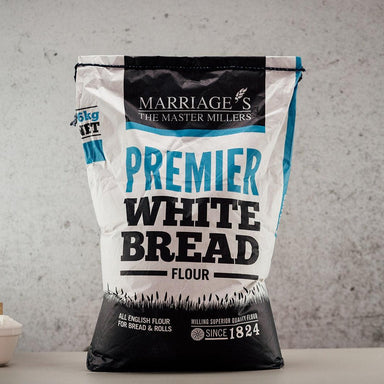
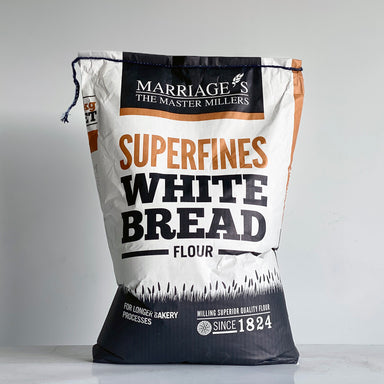
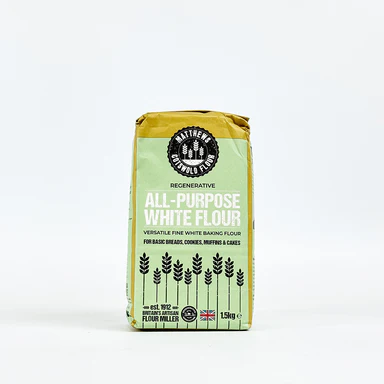
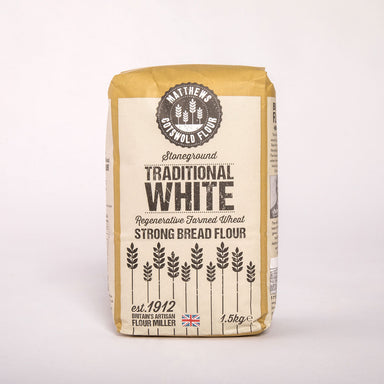
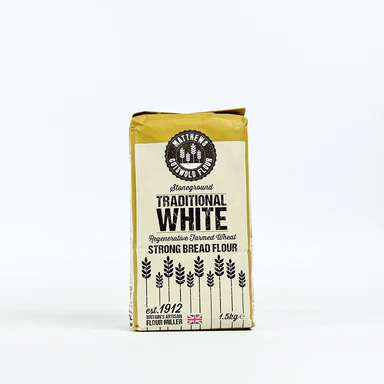
We have listed below recommended flours from our favourite millers Matthews Cotswold, Gilchesters & Marriage's. We have started with our best sellers Matthews Cotswold Churchill, Marriage's Manitoba Very Strong White Canadian and Gilchesters Organics Stoneground Organic Strong White Flour plus a great selection of organic flours, wholemeal flours and rye flours.
Buy Sourdough Flour at Ratton Pantry.

Flour for sourdough bread and starters

Sourdough can be made with many grains, but flour choice changes fermentation, handling, flavour and loaf structure. Strong white wheat flour is a forgiving foundation, while wholemeal and rye bring more of the grain and a different fermentation character.

This collection gathers white, wholemeal, rye, organic, regenerative and heritage flours suited to starters and naturally leavened bread.

Build structure, then add grain character

A strong white base usually makes shaping and oven spring easier. Adding wholemeal, rye, spelt or ancient grains introduces flavour, colour and texture, although the dough may need different hydration and handling.

Rye is particularly useful in starters and mixed-grain loaves, but high-rye bread behaves differently because rye does not form the same gluten network as wheat.

Ratton Pantry

Why buy sourdough flour from Ratton Pantry

We stock flour from millers with very different approaches to grain, farming and milling, allowing sourdough bakers to explore beyond a single generic bread flour.

The range supports both beginners looking for a reliable base and experienced bakers experimenting with stoneground, wholegrain, heritage and regenerative flour.

Choosing flour for sourdough

Begin with strong white bread flour if you want the easiest route to a well-supported loaf. Add wholemeal or rye gradually for flavour and fermentation activity.

For longer fermentation or higher hydration, select a flour with appropriate strength rather than assuming every bread flour will behave identically.

Change one variable at a time and record flour blend, water, starter quantity, temperature and fermentation time. The best flour is the one that suits your process and preferred bread.

Questions & answers

Sourdough Flours - The best flour for making Sourdough FAQs

What flour is best for a beginner's sourdough loaf?

Start with a reliable strong white bread flour. It usually gives predictable gluten development and shaping, and you can introduce wholemeal or rye once your process is consistent.

Which flour is best for starting a sourdough starter?

Wholemeal wheat or rye flour can encourage an active starter because it contains more of the grain, although a starter can also be maintained with white bread flour. Consistency matters more than chasing one perfect flour.

Can I make sourdough with plain flour?

It is possible, but lower-strength plain flour may make wetter or long-fermented dough harder to handle. Bread flour is generally the easier choice for a well-supported loaf.

Why add rye flour to sourdough?

Rye contributes a distinctive flavour, colour and fermentable material. Even a modest proportion can change fermentation and character, while high-rye loaves require different handling from wheat bread.

Do I need very strong flour for long fermentation?

Not always, but flour with suitable strength can provide greater tolerance during long or warm fermentation. Fermentation time, temperature, hydration and inoculation must still be balanced.

Can I blend different sourdough flours?

Yes. Many bakers use strong white flour for structure and add wholemeal, rye, spelt or ancient grains for flavour. Keep notes so you can adjust water and fermentation as the blend changes.