



Unfortified Flour vs Fortified Flour: Which Is Better for Your Bread in 2026?
When choosing flour for bread, you may have noticed terms such as fortified, unfortified, unenriched and pure flour on product pages and packaging.
The difference is straightforward: fortified flour has specific vitamins and minerals added after milling, while unfortified flour does not. Both are used for bread making, and neither is automatically better than the other.
At Ratton Pantry, we stock both options because bakers have different preferences, recipes and reasons for choosing a particular flour. Some customers want flour with added nutrients, while others prefer to know that their flour contains only the milled grain. The important thing is having clear information so you can choose confidently.
What is fortified flour?
Fortified flour is flour with specified vitamins and minerals added during production. Under UK regulations, most non-wholemeal flour made from common wheat must contain added:
- Calcium carbonate
- Iron
- Niacin
- Thiamin
From 13 December 2026, folic acid will also be added to the list of mandatory nutrients for covered flour. The required amount is 0.250mg per 100g of flour.
These ingredients must be declared on the product’s ingredients list. You may see wording such as:
Wheat flour (wheat flour, calcium carbonate, iron, niacin, thiamin, folic acid)
Fortification does not describe the flour’s protein level, milling method or baking strength. A fortified flour can still be organic, stoneground, strong or suitable for sourdough, provided it meets the relevant requirements.
For full details, see the GOV.UK guidance on bread and flour labelling and composition.
What is unfortified flour?
Unfortified flour has not had the specified vitamins and minerals added after milling. It still contains naturally occurring nutrients from the grain, but its ingredients list will not include added calcium carbonate, iron, niacin, thiamin or folic acid.
Unfortified flour is sometimes described as:
- Unenriched flour
- Non-additive flour
- Pure flour
These terms generally refer to the absence of added nutrients or other ingredients, but the current product label remains the best reference.
Unfortified flour is not automatically wholemeal. A flour can be white, brown, stoneground, organic or made from an ancient grain, and each of these descriptions means something different. For example:
- Wholemeal describes how much of the grain is retained.
- Stoneground describes the milling method.
- Organic describes the farming and certification standards.
- Strong flour describes its suitability for doughs that need structure.
- Unfortified describes whether specified nutrients have been added.

Which flour is affected by the UK changes in 2026?
The new folic acid requirement applies to most non-wholemeal common wheat flour sold or milled in the UK.
In practical terms, this includes many standard:
- White bread flours
- Strong white flours
- Plain white flours
- Brown flours
- Professional bakery flours
The flour must be made from common wheat, known scientifically as Triticum aestivum, and must not be wholemeal. Organic, stoneground and traditionally milled flour are not automatically exempt if they meet those criteria.
The regulations also include existing requirements for calcium carbonate, iron, niacin and thiamin. From 13 December 2026, the specified levels will change for some of these nutrients, alongside the addition of folic acid.
There are defined exemptions. These include:
- Wholemeal flour
- Flour produced by a qualifying small mill
- Flour made from grains other than common wheat
- Flour made from other wheat species, such as spelt, einkorn, emmer, durum or khorasan
A small mill is defined in the government guidance as a production site with a maximum annual production capacity of 500 metric tonnes, which has produced less than 500 metric tonnes in each of the previous three calendar years.
It is worth remembering that regenerative, heritage and organic are not, by themselves, legal exemptions. The relevant factors are the grain species, whether the flour is wholemeal, and the scale and circumstances of the mill.
What about regenerative and heritage flours?
This is where labels can become slightly confusing.
A regenerative flour may be made from common wheat and milled into a non-wholemeal white flour. If it is produced by a mill covered by the regulations, the flour may need to be fortified from 13 December 2026.
Alternatively, a regenerative or heritage flour may be:
- Wholemeal
- Made from a wheat species other than common wheat
- Produced by a qualifying small mill
- Specifically labelled and sold as unfortified
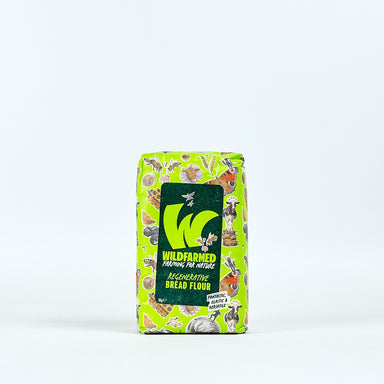
For example, our range includes Wildfarmed Wholemeal Flour, which is a wholemeal flour, alongside Wildfarmed white and rustic white options. The product type and current ingredients list should always be checked rather than relying on the word “regenerative” alone.
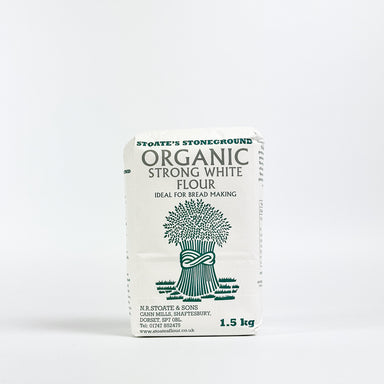
We also stock Stoates Organic Stoneground Strong White Bread Flour in our unfortified range. Its product information identifies it as a stoneground flour with no added ingredients. Stoates describes it as a creamy-coloured strong white flour with 12.5% protein.

Does fortification change how bread bakes?
Fortification status alone does not determine how a loaf will perform.
For bread making, other details are usually more influential, including:
- Protein content
- Wheat variety
- Flour extraction rate
- Milling method
- Hydration
- Fermentation time
- The recipe and mixing method
A strong flour is selected for its ability to form a resilient gluten network. This helps dough hold fermentation gases and gives the finished loaf structure. Both fortified and unfortified flours can be suitable for bread, depending on their individual specifications.
An unfortified stoneground flour may have a creamy colour and a fuller grain flavour. A fortified white flour may offer the familiar appearance and handling characteristics you expect from a standard bread flour. These are differences in product style and composition, not a simple ranking of one flour above another.
Choosing between fortified and unfortified flour
The choice comes down to what you want from the flour and what you want included in your ingredients.
Choose fortified flour if you want:
- A flour with the specified added vitamins and minerals
- A standard white or brown flour for everyday baking
- A familiar option for bread machines, rolls and regular loaves
- A product that fits the ingredients requirements of your recipe or bakery
Choose unfortified flour if you want:
- Flour without added calcium carbonate, iron, niacin, thiamin or folic acid
- A pure or non-additive flour
- A particular milling style, grain or producer
- Greater control over the ingredients in your baking
Neither list makes one option universally preferable. Your choice may depend on your recipe, baking style, personal preference or the type of flour you want in your kitchen.
Explore our flour range
We source a broad selection of flours for home bakers, artisan bakers and professional kitchens.
Our range includes:
- Unfortified, unenriched and pure flour
- Strong white bread flour
- Wildfarmed regenerative flour
- Stoates Organic Strong White Flour
- Wholemeal and heritage-grain flour
- Organic strong white flour
- Artisan bread flour for yeasted loaves and sourdough
How can you tell if flour is fortified?
Check the ingredients list on the bag or product page.
Added nutrients may be listed as:
- Calcium carbonate
- Iron
- Niacin
- Thiamin
- Folic acid
If the ingredients list simply states “wheat flour” or identifies the flour as containing no added ingredients, it may be unfortified. However, labels and formulations can change, so use the current packaging or manufacturer’s specification as the final reference.
If you are unsure about a particular product, please contact us. We are always happy to check the available product information and help you choose.
Unfortified Flour vs Fortified Flour FAQs
Is unfortified flour the same as wholemeal flour?
No. Wholemeal describes how much of the grain remains in the flour. Unfortified describes whether specified vitamins and minerals have been added. A flour can be both wholemeal and unfortified, but the terms are not interchangeable.
Will all white flour be fortified from December 2026?
No. The requirement applies to most non-wholemeal flour made from common wheat. Qualifying small-mill flour and certain other categories are exempt. Always check the label and product specification.
Does organic flour have to be unfortified?
No. Organic flour can be fortified or unfortified. Organic certification and fortification describe different aspects of the product.
Is regenerative flour automatically unfortified?
No. Regenerative describes farming practices, not the flour’s fortification status. Check whether the flour is wholemeal, what wheat species it contains, the mill’s status and the current ingredients list.
Can I use fortified and unfortified flour in the same recipe?
Yes, provided both flours are suitable for the recipe. Compare their protein content, absorption and intended use, and adjust your hydration if needed.
Which one is better for bread?
There is no single answer. Fortified and unfortified flour are different products, and both can be used successfully for bread. The right choice depends on your baking goals, the flour’s technical characteristics and your preference for what is included in the bag.
A choice for your kitchen
Fortified and unfortified flour each have a place in modern baking. One includes specified added nutrients, while the other leaves those additions out. As UK requirements change in December 2026, checking the label will become even more useful.
At Ratton Pantry, we are proud to offer both options, from regenerative and artisan bread flour to organic strong white and clearly labelled unfortified flour. Explore the range, compare the details and choose the flour that suits you.
Leave a comment